Integrated Laboratory Technologies and Research Solutions
Connecting Scientific Technologies to Advance Research
Scientific research is becoming increasingly multidisciplinary, requiring advanced technologies, reliable analytical methods, and complementary laboratory solutions. From molecular investigations to complex biochemical analysis, modern laboratories depend on integrated technologies to improve experimental performance and support scientific discovery.
We recognize the importance of connecting scientific knowledge with practical laboratory technologies. Our approach focuses on bringing together research products, analytical solutions, and specialized technologies that address the evolving needs of academic, biotechnology, pharmaceutical, and industrial laboratories.
By exploring different scientific disciplines and laboratory applications, researchers can identify appropriate solutions for their experimental objectives and develop more effective research workflows.
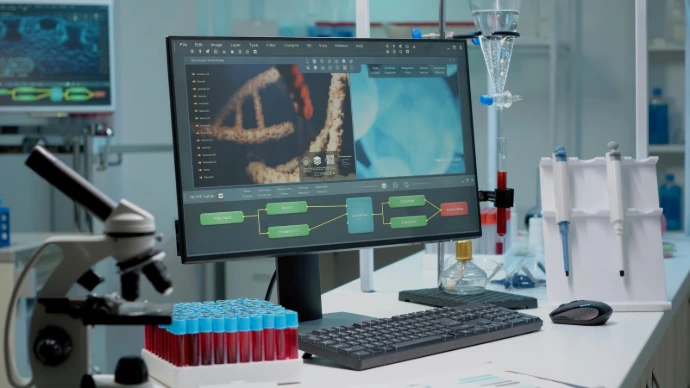
Comprehensive Scientific Solutions Across Research Disciplines
Scientific progress relies on the availability of appropriate technologies for investigating biological systems, analyzing complex samples, and understanding molecular mechanisms.
Our scientific approach covers several interconnected research areas, providing access to technologies and products designed for diverse laboratory applications.
1. Molecular Biology and Genetic Research
Molecular biology provides essential tools for understanding genetic information, gene regulation, and molecular interactions within biological systems.
Modern molecular technologies allow researchers to investigate biological mechanisms at the DNA and RNA levels, supporting applications in fundamental research, biotechnology, and biomedical sciences.
Key research applications include:
DNA and RNA extraction and purification.
Polymerase chain reaction (PCR).
Quantitative real-time PCR (qPCR).
Gene expression profiling.
Molecular cloning and genetic engineering.
DNA sequencing and molecular identification.
Nucleic acid quantification and characterization.
These methods help researchers examine genetic material, investigate molecular pathways, and explore relationships between gene expression and biological functions.

2. Cell Biology and Cellular Research
Cell biology focuses on the structure, function, and behavior of cells under different physiological and experimental conditions.
Advanced cellular research technologies support investigations into cell growth, metabolism, differentiation, viability, and responses to external stimuli.
Important laboratory applications include:
Cell culture and maintenance.
Cell proliferation and viability assays.
Cytotoxicity testing.
Apoptosis and cell death analysis.
Cellular imaging and microscopy.
Cell signaling investigations.
Cellular metabolism analysis.
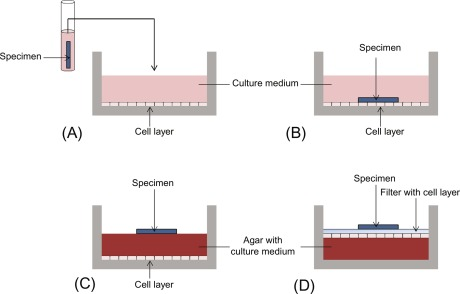

Combining cell culture systems with biochemical and molecular analysis allows scientists to obtain complementary information about cellular mechanisms and biological responses.
3. Protein Science and Biochemical Analysis
Proteins and enzymes perform essential functions in biological systems, making their investigation fundamental to molecular biology, biotechnology, and biomedical research.
Biochemical technologies allow researchers to study protein structure, abundance, activity, interactions, and biological functions.
Common analytical approaches include:
Protein extraction and purification.
Protein concentration measurement.
Enzyme activity assays.
Western blot analysis.
Enzyme-linked immunosorbent assays (ELISA).
Immunodetection techniques.
Protein interaction studies.
Biochemical pathway analysis.
These methods provide valuable information for understanding biological processes and investigating molecular mechanisms.

4. Immunology and Antibody-Based Technologies
Immunological research relies on specialized methods for studying immune responses, antibody interactions, and the recognition of specific biological targets.
Antibody-based technologies are widely used in biomedical research, protein detection, infectious disease research, and cellular investigations.
Relevant laboratory applications include:
Antibody detection and characterization.
Antigen-antibody interaction studies.
ELISA-based immunoassays.
Immunohistochemistry.
Immunofluorescence.
Cytokine and protein detection.
Immune response investigations.
These technologies contribute to a better understanding of immune mechanisms and support a wide range of experimental applications.
5. Microbiology and Biotechnology
Microbiology and biotechnology combine biological knowledge with laboratory technologies to investigate microorganisms and develop practical biological applications.
Research in these fields contributes to healthcare, pharmaceutical development, industrial processes, environmental sciences, and biological manufacturing.
Key applications include:
Bacterial and fungal culture.
Microbial identification and characterization.
Antimicrobial susceptibility testing.
Microbial growth analysis.
Fermentation and bioprocess research.
Recombinant protein production.
Microbial biotechnology.
Environmental microbiology.
Appropriate laboratory technologies help researchers investigate microbial properties and explore their applications across different scientific and industrial sectors.


Advanced Analytical Technologies for Laboratory Research
Analytical technologies are essential for obtaining accurate measurements and characterizing biological, chemical, and biochemical samples.
Modern analytical platforms provide researchers with different approaches to sample identification, quantification, separation, and characterization.
Chromatography and Separation Techniques
Chromatographic techniques are widely used to separate and analyze complex mixtures according to their chemical and physical properties.
Common applications include:
High-performance liquid chromatography (HPLC).
Gas chromatography (GC).
Liquid chromatography.
Analytical method development.
Compound identification and quantification.
Purity and composition analysis.
These methods are important in pharmaceutical research, chemical analysis, biotechnology, and quality-oriented laboratory applications.
Spectroscopy and Molecular Characterization
Spectroscopic methods provide information about molecular composition, chemical structures, and interactions between matter and electromagnetic radiation.
Common techniques include:
UV-Visible spectroscopy.
Infrared spectroscopy (IR).
Fluorescence spectroscopy.
Raman spectroscopy.
Absorption-based measurements.
Molecular characterization.
These technologies are used in biochemical investigations, analytical chemistry, pharmaceutical research, and materials science.
Mass Spectrometry and Advanced Detection
Mass spectrometry enables the identification and characterization of molecules according to their mass-to-charge ratios.
When combined with separation technologies, it provides powerful analytical capabilities for complex biological and chemical samples.
Applications include:
Protein identification.
Metabolite profiling.
Molecular characterization.
Compound identification.
Biomolecule analysis.
Quantitative analytical investigations.
These techniques support advanced research in proteomics, metabolomics, pharmaceutical sciences, and biotechnology.
Laboratory Equipment and Research Instrumentation
Reliable laboratory equipment is fundamental to the performance of experimental procedures and analytical workflows.
Selecting appropriate instruments requires consideration of sample characteristics, research objectives, measurement requirements, and laboratory operating conditions.
Modern laboratory environments may incorporate:
Centrifuges and sample preparation systems.
Microscopes and imaging platforms.
Spectrophotometers.
Chromatography systems.
Electrophoresis equipment.
Incubators and temperature-controlled systems.
Microplate readers.
Automated liquid handling instruments.
Laboratory measurement and monitoring devices.
The appropriate combination of laboratory instruments and research materials helps support efficient experimental procedures and consistent analytical performance.
Integrated Laboratory Workflows: From Sample Preparation to Data Analysis
Scientific investigations often involve multiple experimental stages that must work together to produce meaningful results.
An integrated laboratory workflow connects sample preparation, experimental processing, analytical measurement, and data interpretation.
Sample Preparation
The quality of analytical results depends partly on appropriate sample collection, handling, preparation, and storage.
Depending on the research application, preparation procedures may involve extraction, purification, filtration, dilution, and other processing techniques.
Experimental Processing
After preparation, samples undergo specific experimental procedures according to the selected analytical method.
These procedures may involve biochemical reactions, molecular amplification, cell-based experiments, immunological assays, or chromatographic separation.
Analytical Measurement
Analytical instruments and detection technologies transform experimental observations into measurable signals.
Appropriate instrument selection, calibration, and method optimization contribute to reliable measurements.
Data Acquisition and Interpretation
Experimental data must be collected, organized, and interpreted using appropriate analytical approaches.
Data processing, statistical analysis, quality assessment, and scientific documentation are essential components of the research process.
By connecting these stages, laboratories can improve workflow organization and establish more coherent experimental strategies.
Quality, Reproducibility, and Analytical Performance
Reliable scientific research requires appropriate experimental controls, validated analytical approaches, and consistent laboratory procedures.
Reproducibility is particularly important when experiments involve complex biological systems, different analytical instruments, or multiple research teams.
Several factors contribute to laboratory performance:
Appropriate experimental design.
Selection of suitable analytical methods.
Instrument calibration and maintenance.
Standardized operating procedures.
Appropriate positive and negative controls.
Consistent sample preparation.
Proper documentation of experimental conditions.
Statistical evaluation of results.
Understanding these principles helps researchers assess experimental reliability and identify potential sources of analytical variability.
Scientific Technologies for Pharmaceutical and Industrial Research
Scientific technologies have applications beyond academic research. They also support pharmaceutical development, biotechnology production, and industrial laboratory operations.
Pharmaceutical Research
Laboratory technologies support drug discovery, formulation investigations, analytical characterization, and the evaluation of biological activities.
Quality Control and Analytical Testing
Analytical methods are used to assess sample composition, purity, consistency, and compliance with defined specifications.
Biotechnology Development
Molecular biology, protein science, cell culture, and bioprocess technologies contribute to the development and characterization of biological products.
Research and Development
Integrated laboratory solutions help multidisciplinary teams investigate new scientific approaches, evaluate experimental hypotheses, and develop innovative technologies.
The Role of Emerging Technologies in Modern Laboratories
Scientific technologies continue to evolve through advances in automation, digital platforms, artificial intelligence, and high-throughput analytical systems.
These developments are transforming the way laboratories organize experiments, manage information, and perform complex analytical procedures.
Important areas of technological development include:
Laboratory Automation
Automated sample handling, liquid dispensing, and analytical platforms can reduce repetitive manual operations and improve workflow consistency.
Artificial Intelligence in Scientific Research
Computational approaches and artificial intelligence are increasingly being explored for experimental data analysis, image processing, molecular modeling, and scientific decision support.
High-Throughput Technologies
High-throughput screening and automated analytical platforms allow researchers to evaluate larger numbers of samples under controlled experimental conditions.
Digital Laboratory Management
Digital documentation, laboratory information management systems (LIMS), and connected analytical platforms support data organization, traceability, and laboratory coordination.
These technologies are contributing to the development of more connected, efficient, and data-driven research environments.
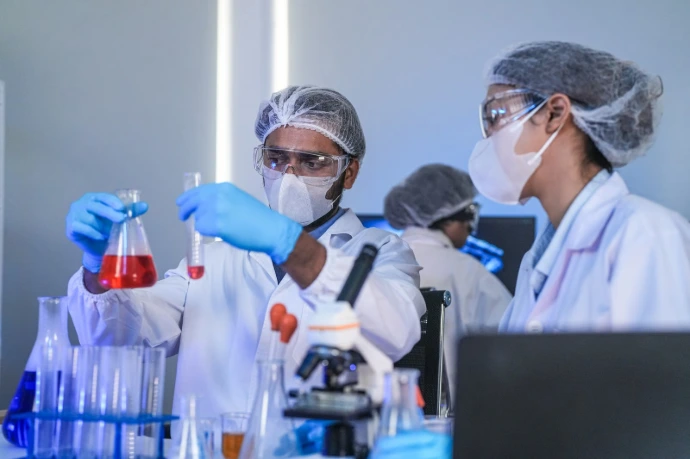
Advancing Research Through Scientific Collaboration
Scientific progress depends on collaboration between researchers, laboratory professionals, academic institutions, biotechnology companies, and technology providers.
Access to appropriate scientific resources and complementary technologies can help research teams address complex experimental questions and explore new scientific opportunities.
By connecting different areas of laboratory science, integrated research solutions contribute to a more collaborative and multidisciplinary scientific environment.
Discover Scientific Technologies for Your Research
Whether your work focuses on molecular biology, cell culture, protein analysis, microbiology, analytical chemistry, or biotechnology, selecting appropriate laboratory technologies is an important part of successful research.
Explore scientific products, analytical instruments, and laboratory solutions designed to support different experimental applications.
At Rezolve Scientific, our commitment is to connect scientific innovation with practical laboratory needs and contribute to the technologies that support research excellence.
Integrated Laboratory Technologies and Research Solutions
Connecting Scientific Disciplines. Supporting Laboratory Performance. Advancing Research Discovery.